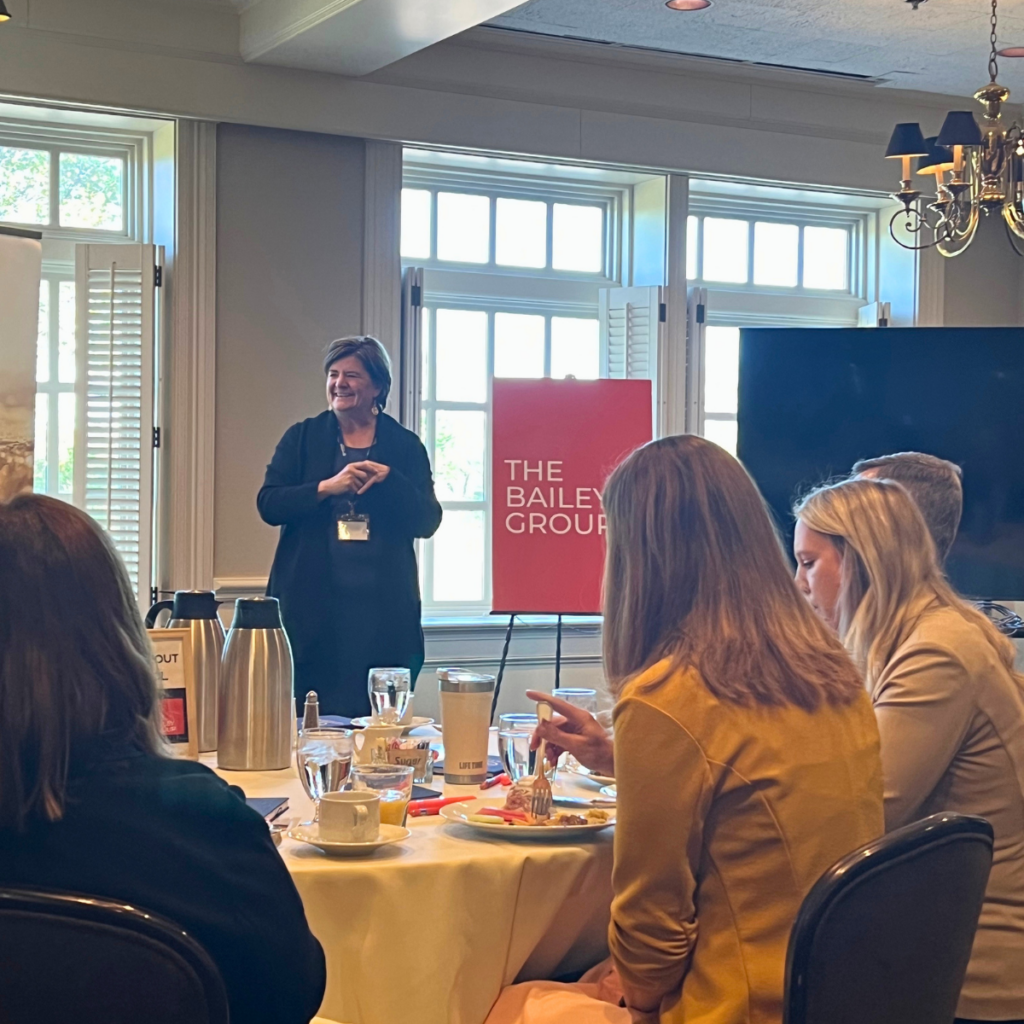
We meet successful CEOs and C-suite leaders every day, and almost all of them got the job for the same reasons: strong track record, deep experience, a clear fit for the role. Then they sit down in the seat, and the job changes underneath them.
Decisions that looked easy from the VP chair feel different now. Leaders tell us the same five things, over and over:
- Relationships shift, and it gets harder to find people who will tell you the hard truth
- The support network thins out, so worries and insecurities have nowhere to go
- New stakeholders show up, including a board that expects a different kind of conversation
- The weight of each decision changes, even when the decision itself looks familiar
- Team dynamics reset every time leadership does, and alignment gets harder to hold
That combination is why nearly every new CEO, and most CEOs at some point in their tenure, ends up working with an executive coach.
What the 2026 Research Actually Shows
Coaching has moved well past “nice to have.” The ICF/PwC Global Coaching Client Study, which surveyed clients across 64 countries, found that 87% of organizations that tracked their coaching investment reported a positive return, typically landing between 3x and 7x the cost. Roughly 80% of clients reported improved self-confidence, and 70% reported measurably better work performance.
The academic case has gotten stronger too. A 2023 meta-analysis in the Academy of Management Learning & Education, led by researchers De Haan and Nilsson, looked only at randomized controlled trials, more than 2,500 participants across 39 samples, and still found a statistically significant effect on leadership and personal outcomes. That matters because RCTs strip out the self-selection bias that makes a lot of coaching research easy to dismiss. These weren’t just leaders who wanted coaching to work. They were randomly assigned, and the results held anyway.
Retention data tells a similar story. Twilio tracked more than 8,000 coached employees over two years and found they were 32% more likely to earn high performance ratings and 5x less likely to leave the company, with coached managers and executives showing a retention rate 6.75 times higher than their peers.
None of that is surprising once you sit with what the job of CEO demands.
What a CEO Coach Actually Does
A CEO coach is a sounding board and a source of outside expertise, not a consultant handing over a playbook. They listen while you work through a decision, ask the kind of question that surfaces what you hadn’t noticed, and hold up a mirror on the blind spots people two levels below you will never mention out loud.
Organizations tend to bring in a coach for one of three reasons: to accelerate a first-time CEO or executive’s transition into the role, to develop a high-potential leader before they hit a ceiling, or to repair a working relationship, with a board, a peer, or a direct report, before it costs the company a leader worth keeping.
Confidential, Objective, and Willing to Tell You the Truth
The higher you climb, the less honest feedback tends to reach you. People worry about repercussions, or they’ve learned that candor doesn’t travel well upward. A good executive coach doesn’t have that problem. They owe you their honest read of the situation, and they hold you accountable to what you decide to do with it. That combination, real feedback plus real accountability, is difficult to manufacture internally no matter how many leadership programs or peer groups a company builds.
How the Engagement Actually Works
At The Bailey Group, coaching starts with the Hogan suite of assessments, which gives you objective data on your day-to-day strengths, the patterns most likely to derail you under stress, and the values driving your decisions. From there, you set the objectives for the engagement itself: navigating year one, leading a merger, scaling through rapid growth, or steadying the organization through change. The conversations are yours to drive. The assessment and the stated goals just give the work a frame.
Most CEOs stay with a coach for years, not months. The goals evolve, the players around them change, and sometimes the coach does too. What doesn’t change is the value of having someone in your corner who has no agenda beyond your success.
The Bottom Line
CEOs become CEOs because they’re smart, experienced, and capable. None of that makes the seat less isolating. An executive coach won’t do the job for you, but they will help you see it more clearly, build the team around you faster, and hold onto your judgment under pressure instead of losing it. The research backs it, the retention numbers back it, and the leaders who’ve done it will tell you the same thing directly.
If you’re weighing whether this is the year to bring in a coach, we’re happy to talk through what that could look like for you and your team.