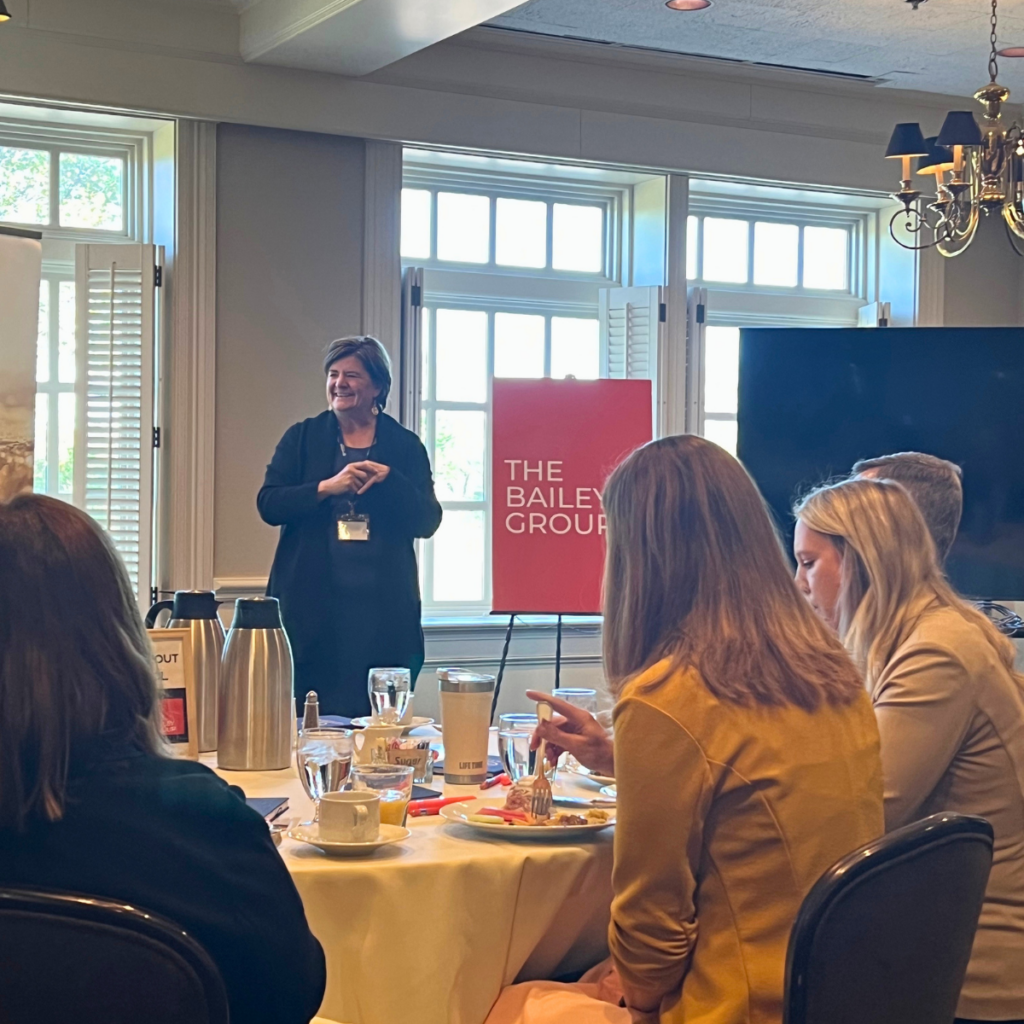
I’ve been on several boards over the years – mostly nonprofit – and I’ve learned this the hard way: the line between a helpful board and an intrusive one is thinner than most CEOs realize.
Here’s what’s driving it. Board members today carry more personal liability than ever. If they feel too distant from the day-to-day, they worry they’re not being accountable enough. So they lean in – sometimes too far.
I once offered to help review job candidates for a board I sat on. Sounds harmless, right? It wasn’t my lane. That’s not board work – that’s management’s job. And when I offered, I was, gently, reminded of that.
So here’s my rule of thumb: as the CEO, you set the altitude. If you invite your board into the operational weeds, they’ll stay there. If you keep the conversation strategic – the big trade-offs, the decisions where their outside expertise actually adds value — that’s where they’ll stay too, and that’s where they help you most. Board members typically want to work in service of the organization’s mission and vision and not as an adversary or to thwart their progress towards strategic goals.
A board that’s aligned with you and playing at the right level isn’t a threat. It’s one of the best assets you have. A board that’s drifted into the operational zone – even with good intentions – can quietly become a headache.
Harvard Business Review has a good piece on this exact dynamic – worth a read if you’re navigating it: https://hbr.org/2026/03/what-to-do-when-your-board-is-meddling-in-operational-work
Where do you draw that line with your own board?